Introduction
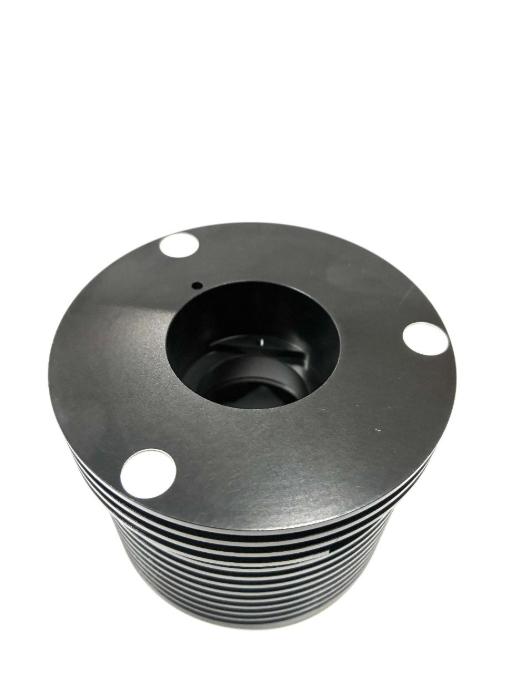
Machine vision cameras are widely used in industrial automation, robotics, semiconductor inspection, and quality control systems. Their housings are typically CNC-machined from aluminum for precision, strength, and lightweight performance.
To improve corrosion resistance and surface durability, these aluminum housings are often anodized. While anodizing provides excellent protection, it creates an electrically insulating layer, which can interfere with critical electrical grounding.
For vision cameras and other electronic devices, proper grounding is essential to maintain signal stability, reduce EMI, and ensure reliable system performance. That’s why post-anodizing machining of specific areas is a necessary engineering step.
Why Anodized Aluminum Cannot Conduct Electricity
During anodizing, aluminum forms a surface layer of aluminum oxide (Al₂O₃). This layer:
-
Provides excellent corrosion resistance
-
Increases surface hardness
-
Creates a durable and visually appealing finish
However, Al₂O₃ is non-conductive. Without removing the anodized layer from critical contact areas, electrical grounding paths are blocked, potentially causing:
-
Signal instability
-
EMI interference
- Erratic behavior in sensitive imaging electronics
Post-Anodizing Machining for Electrical Grounding
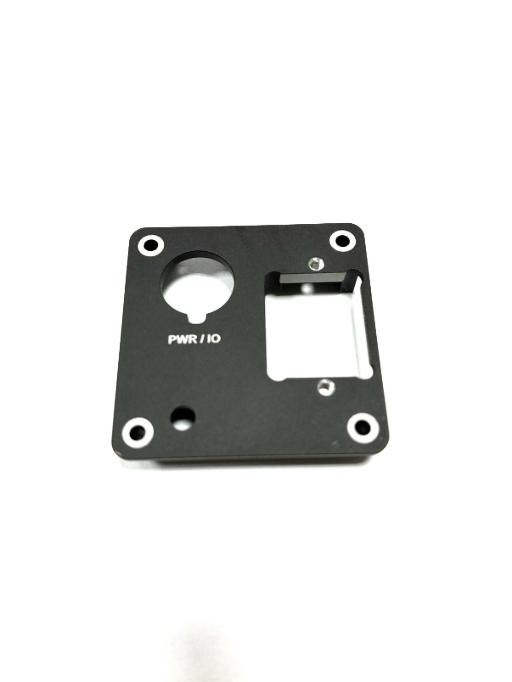
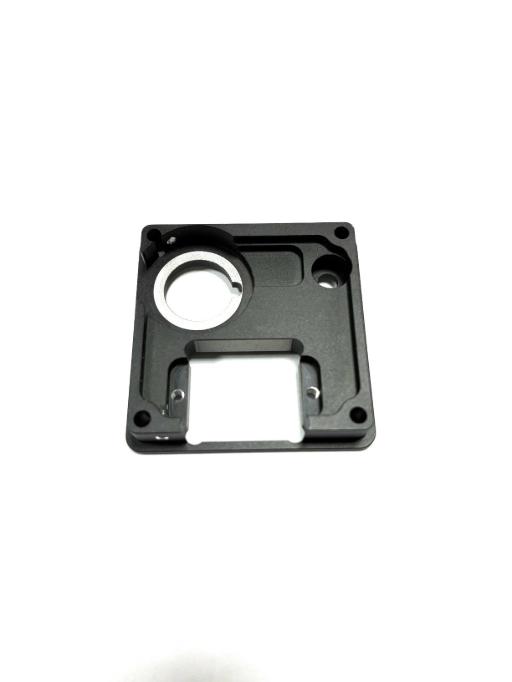
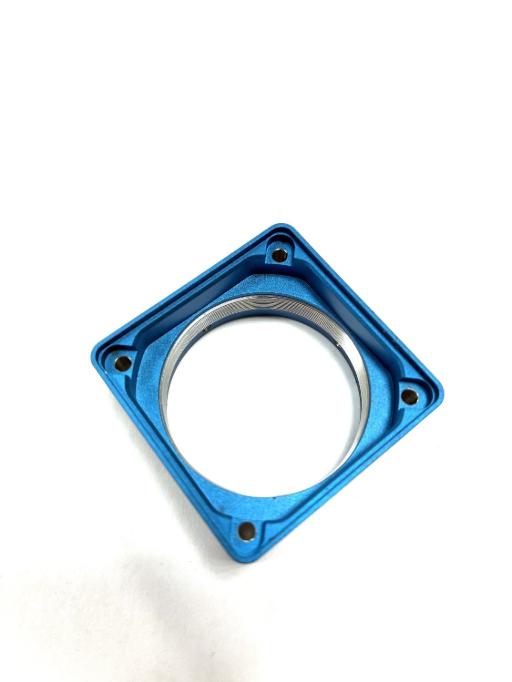
To solve this issue, CNC manufacturers apply post-anodizing machining to selected areas. This process:
-
Removes the insulating anodized layer locally
-
Exposes the base aluminum
-
Creates reliable electrical grounding surfaces
Common areas for post-anodizing machining include:
-
Screw mounting surfaces
-
Housing interface faces
-
Grounding pads and internal contact surfaces
-
Module-to-housing contact points
By exposing the aluminum, engineers ensure proper electrical grounding, maintain signal integrity, and protect the vision system from interference.
Importance for Machine Vision Systems
Reliable grounding is critical in machine vision because industrial environments often have high electrical noise from motors, drives, and other equipment. Proper grounding:
-
Reduces electrical noise
-
Improves signal stability
-
Prevents EMI interference
-
Ensures consistent imaging performance
Without post-anodizing machining, camera housings may fail to provide adequate electrical contact, risking unstable operation or degraded image quality.
CNC Precision and Quality Considerations
.Manufacturing vision camera housings requires:
-
Tight mechanical tolerances
-
Controlled anodizing thickness
-
Accurate post-anodizing machining for grounding areas
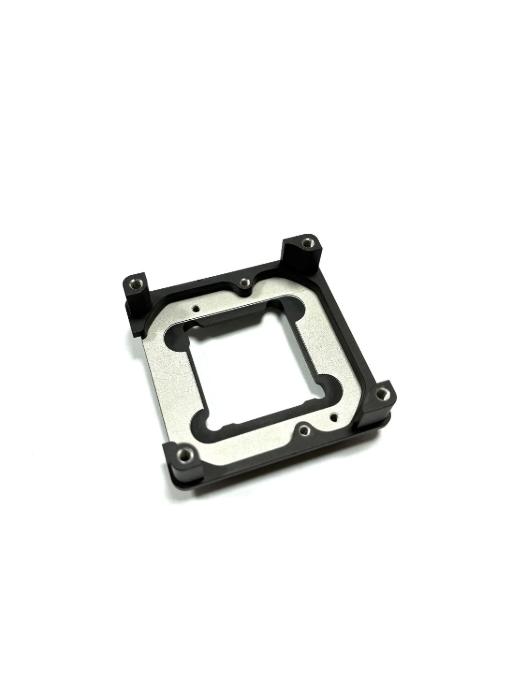
At DMS Group-TW, we specialize in precision CNC machining for vision camera and machine vision components. Our post-anodizing process ensures both mechanical accuracy and electrical performance, delivering housings that meet the highest engineering standards.
Conclusion
Post-anodizing machining is not just a finishing step—it’s an engineering necessity for vision camera aluminum housings. By carefully machining selected areas after anodizing, manufacturers can provide reliable electrical grounding, minimize EMI risks, and ensure the long-term performance of vision systems.
For high-quality CNC, billet, or vision camera mechanical parts, DMS Group-TW in Taiwan is a trusted manufacturer with strong engineering capability and OEM experience for global clients.