A precision-machined part can survive thousands of hours of engineering — and be damaged in 24 hours of transit. At DMS Group, packaging isn't an afterthought. It's the final step of our quality process, designed to deliver your CNC machined parts in exactly the same condition they left our facility.
Over the years, the two concerns we hear most from clients are the same: will my parts rust? And will they arrive scratched? Our paper-based packaging system is built specifically to answer both — while keeping materials biodegradable, cost-effective, and compliant with international environmental standards.
Why Paper Packaging Is the Right Choice for Metal Parts
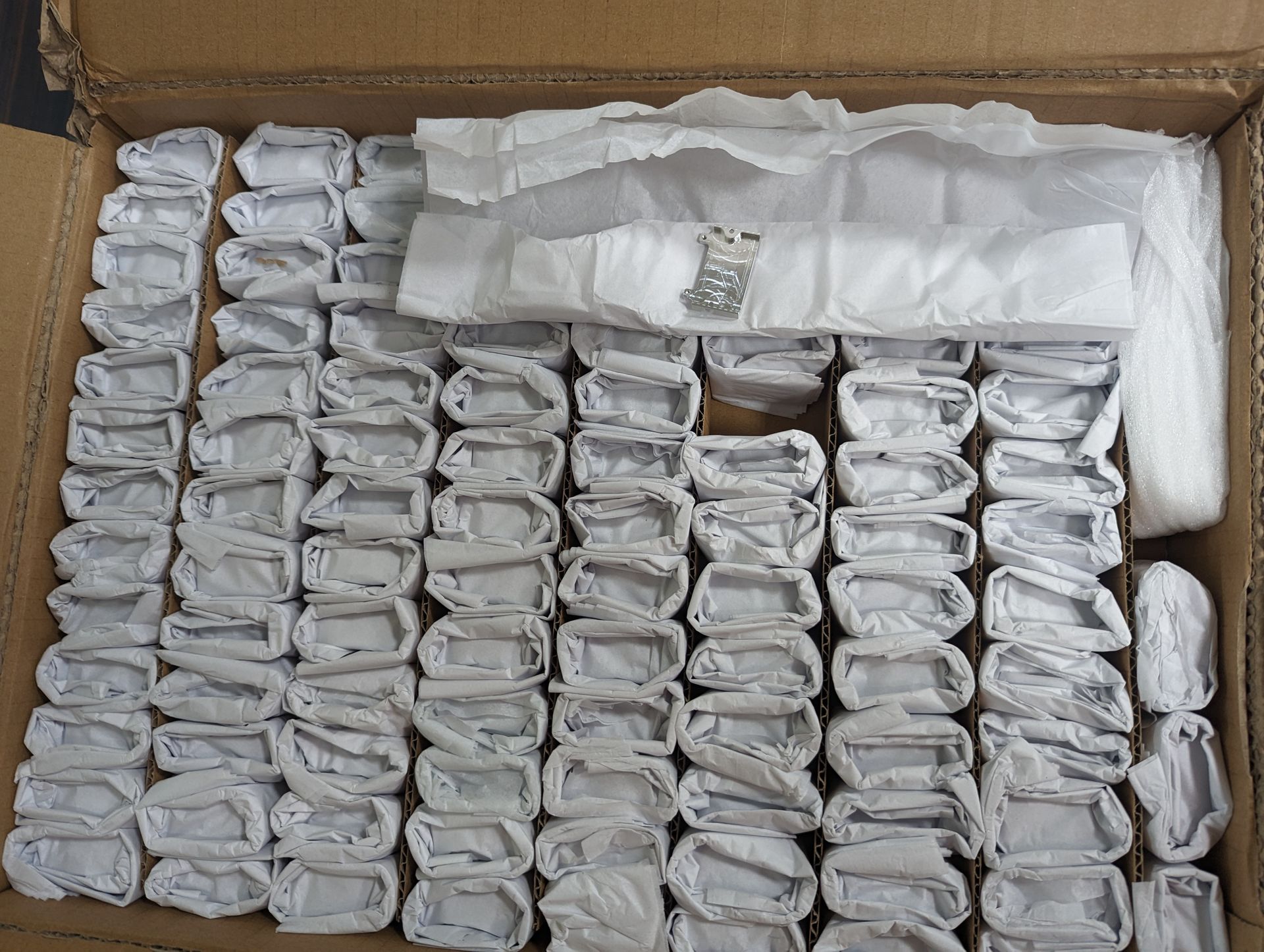
When most people think of industrial packaging, they picture bubble wrap and foam. But for precision metal components, eco-friendly paper packaging — particularly VCI (Volatile Corrosion Inhibitor) paper — offers a combination of protection, sustainability, and cost efficiency that plastic alternatives simply cannot match.
The key advantages:
- Corrosion protection built into the material — VCI paper releases molecules that form an invisible protective layer on metal surfaces, actively preventing rust without the need for liquid coatings or greasy residues.
- No surface contamination — Unlike oil-based treatments applied to every part, VCI paper protects without leaving residue that requires cleaning before use.
- Eco-friendly and recyclable — Paper packaging is fully biodegradable. For clients with ESG reporting requirements or sustainability targets, it contributes to a measurable reduction in plastic waste across your supply chain.
- Cost-effective at scale — Paper is lighter than foam and cheaper than custom plastic inserts, reducing both material costs and shipping weight.
- Highly customizable — Paper can be cut, folded, and layered to conform to any part geometry, from simple cylindrical shafts to complex machined housings.
DMS's Step-by-Step Packaging SOP: From Final Inspection to Shipment
At DMS, packaging follows a structured internal process. Every part goes through the same sequence before it leaves our facility — no exceptions.
Step 1
Final Inspection
Every part is inspected against the customer's drawing and quality requirements before entering the packaging line. Dimensional checks, surface finish verification, and quantity confirmation are completed at this stage.
Step 2
Surface Cleaning
Parts are cleaned using ultrasonic washing to remove any machining oils, metal particles, or moisture from the surface. A final hand-wipe is performed immediately before packaging to ensure the surface is dry and clean — a critical step for the effectiveness of VCI protection that follows.
Step 3
Rust Prevention Treatment (Material-Dependent)
For ferrous materials such as carbon steel and its alloys, a thin layer of protective oil is applied to the surface where appropriate, based on the material and client requirements. This is combined with VCI paper wrapping for dual-layer corrosion defense.
Step 4
Individual Part Wrapping and Isolation
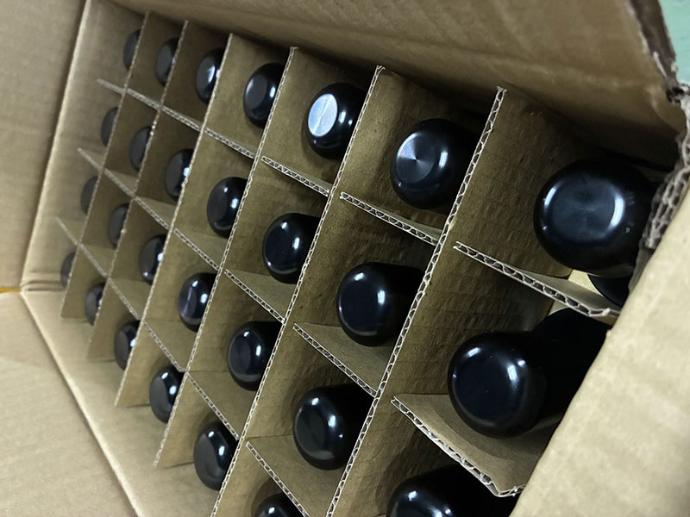
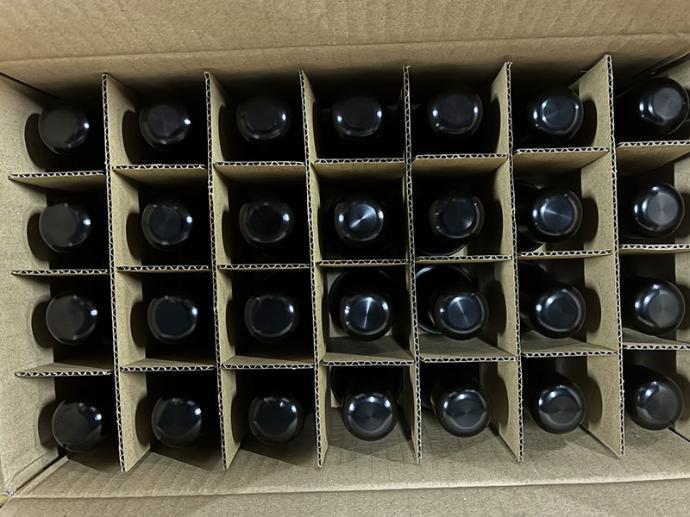
Each part is individually wrapped in VCI paper. For small or appearance-critical components, parts are separated with cardboard dividers to prevent any part-to-part contact during transit. This eliminates the risk of contact scratches entirely.
Step 5
Cushioning with Honeycomb Paper
Honeycomb paper is used to cushion parts inside the carton, absorbing impact and vibration during shipping. For particularly delicate or high-finish parts, additional layers or custom-cut inserts are used to fill void space and prevent movement.
Step 6
Outer Carton and Labeling
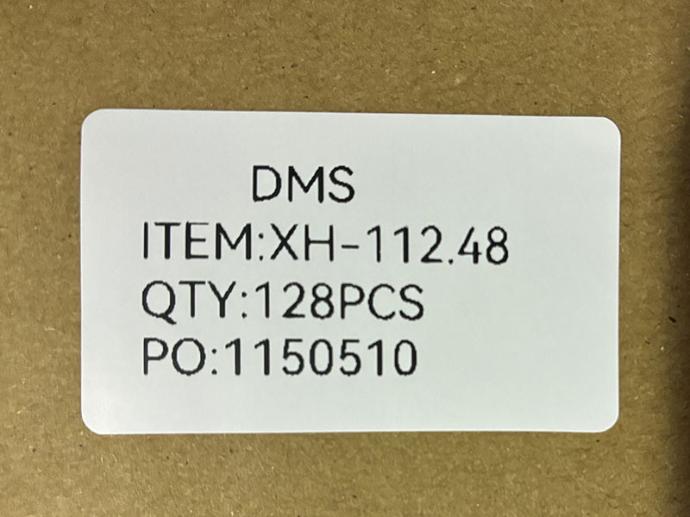
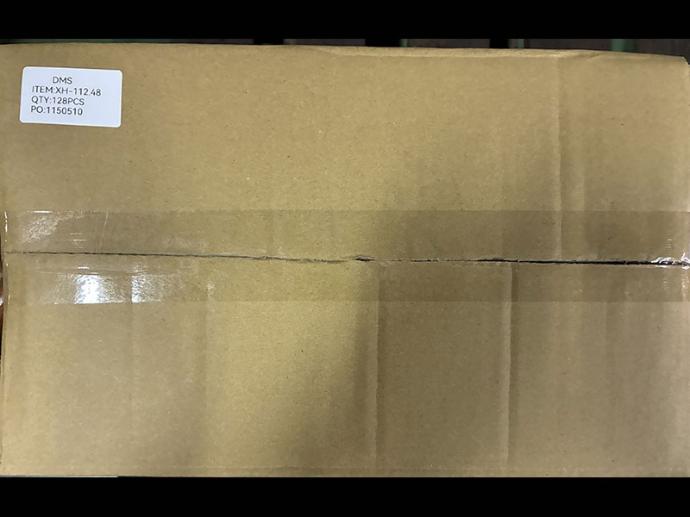
Parts are packed into outer cartons and labeled with shipping information including Item description, Quantity (QTY), and Purchase Order Number (PO No.). Labels can be customized to include barcodes, part numbers, lot numbers, or any other customer-required traceability information.
VCI Paper Rust Protection: How Long Does It Last?
VCI paper works by releasing corrosion-inhibiting vapor molecules that form a monomolecular protective layer on metal surfaces. The protection is active, not just a barrier — meaning it can reach into recesses, threads, and internal cavities that a surface coating might miss.
At DMS, we tailor the level of VCI protection to the shipment method and storage duration:
| Packaging Configuration |
Corrosion Protection Duration |
Recommended For |
| VCI paper wrapping only |
Up to 6 months |
Air freight, short-term storage |
| VCI paper + PE zip-lock bag | Up to 2 years | Sea freight, long-term inventory |
| VCI paper + vacuum aluminum foil bag | 2+ years | High-humidity sea routes, extreme environments |
For sea freight shipments (30–90 days in transit), we recommend the PE zip-lock or vacuum foil bag configuration as standard. The sealed bag prevents moisture ingress from humid ocean air, which is the primary risk factor for corrosion during long-distance shipping.
The most common scenarios we handle:
- Anodized aluminum components shipped by air — The anodized surface provides inherent corrosion resistance, so the priority here is scratch prevention. Each part is individually wrapped and cushioned with honeycomb paper.
- Carbon steel plated parts shipped by sea — Corrosion risk is higher. VCI paper combined with a PE zip-lock or vacuum foil bag provides the protection level needed for transit durations of up to 90 days.
Preventing Scratches and Surface Damage on Precision Parts
For clients in industries where part appearance matters — consumer products, medical devices, optical hardware, lifestyle goods — a scratch on a mirror-polished or anodized surface isn't just a cosmetic issue. It can mean a rejected shipment.
Our approach to scratch prevention is straightforward: eliminate every opportunity for parts to contact each other.
- Individual wrapping — Every part is wrapped separately before being placed in the carton. No two bare parts share the same wrapper.
- Cardboard dividers — Internal dividers create dedicated compartments for each part or part group, preventing movement and contact even under vibration or impact.
- Honeycomb paper cushioning — Honeycomb paper provides structural cushioning while conforming to irregular shapes. It absorbs transit shock without adding excessive weight to the shipment.
- Void-fill management — Cartons are packed to minimize internal void space, reducing the distance any part can travel inside the box if the carton is dropped or tipped.
For particularly small or complex parts, single-unit packaging is used — one part per bag or wrapper — with individual labeling where required.
Custom Labeling and Supply Chain Traceability
We understand that for many of our clients, packaging isn't just about protection — it's also about supply chain visibility. A box that arrives without clear identification creates handling delays and inventory errors on your end.
DMS's standard shipping labels include:
- Item description
- Quantity (QTY)
- Purchase Order Number (PO No.)
Beyond the standard format, labels can be configured to include:
- Customer part numbers (PN)
- Lot or batch numbers
- Barcodes (1D or 2D / QR code)
- Serial numbers for individual parts
- Any other customer-specified fields
If your facility uses a specific label format or barcode standard, share the specification with us and we will match it. This applies to both production orders and sample shipments.
Eco-Friendly Packaging That Meets International Standards
Switching from plastic to paper packaging isn't only an environmental decision — for clients with compliance requirements, it's increasingly a business necessity.
DMS's paper packaging materials are fully biodegradable. When clients have specific regulatory requirements, we can source packaging materials compliant with:
- RoHS (Restriction of Hazardous Substances)
- REACH (Registration, Evaluation, Authorisation and Restriction of Chemicals)
For clients with active ESG (Environmental, Social, and Governance) programs or carbon footprint tracking requirements, we can provide relevant environmental certification documentation for the packaging materials used in your orders. This supports your internal sustainability reporting without adding burden to your procurement process.
Compared to single-use plastic packaging of equivalent protective performance, paper-based VCI packaging produces significantly less non-degradable waste — contributing to a cleaner supply chain from manufacturing through to end use.
Packaging as Part of the Quality Promise
At DMS Group, our commitment to quality doesn't end when machining is complete. The packaging process is where that quality is preserved — and where our clients' trust in us is either confirmed or lost.
Every part we ship carries the same standard: individually protected, properly cushioned, clearly labeled, and ready to perform from the moment it's opened.
We've heard from clients who switched to DMS after receiving parts from other suppliers that arrived with rust spots, surface scratches, or mixed components. These aren't manufacturing problems — they're packaging and handling failures. Our structured SOP exists specifically to prevent them.
"The packaging was also excellent, ensuring everything arrived in perfect condition." — Long-term DMS client (19+ year partnership)
Whether you're ordering a prototype batch of 10 parts or a production run of 10,000, the same packaging standard applies.
Get Packaging That Matches the Precision of Your Parts
Your parts deserve more than a cardboard box and a prayer. At DMS, every CNC machined component goes through a documented packaging process designed around the specific material, finish, shipping method, and storage requirements of your order.
If you have specific packaging requirements — custom labeling, extended corrosion protection for long sea routes, or environmental compliance documentation — tell us when you request your quote. We'll build it in from the start.
Contact DMS Group to discuss your next order, or request a quote and include your packaging requirements in the inquiry form.